

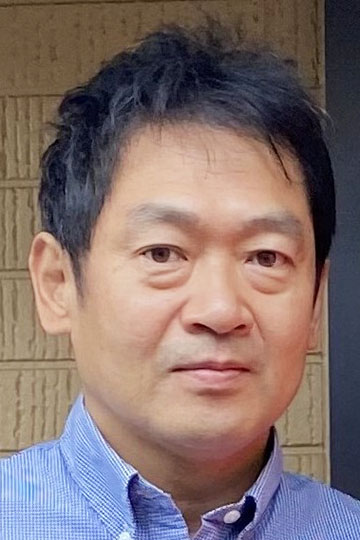
吉田 清司
この度、専修大学スポーツ研究所(SUIS)の所長に就任いたしました。
本研究所は、「健康科学」「スポーツ科学」「スポーツ文化」の3部門を柱に、世界レベルのアスリートへの実践的支援から地域社会の健康長寿社会の実現に至るまで、極めて広範かつ多層的な研究活動を展開しております。
所長就任にあたり、本研究所を専修大学の21世紀ビジョンである「社会知性(Socio-Intelligence)の開発」を具現化しながら、「社会課題を解決し、人々のウェルビーイングを創造する高度な研究拠点」へと進化させたいと考えております。
2025年6月、日本の「スポーツ基本法」は大きな改正を迎えました。改正の主旨は、スポーツを単なる競技や身体活動として捉えるのではなく、「ウェルビーイング(心身の健康と幸福)の実現」と「多様な人々が共に生きる社会」を目指すための不可欠な基盤として定義し直したことにあります。特に注目すべきは、スポーツの果たす役割について、これまでの「する」「みる」「ささえる」という三要素に、新たに「集まる」「つながる」という視点が加わったことです。これは、スポーツが個人の身体能力向上に留まらず、人と人、人と社会をダイナミックに結びつけ、孤独や分断といった現代特有の社会課題を解決する力を持っていることを公に認めたものに他なりません。本研究所が持つ「高度な研究力」をこの新領域に集中させ、法改正の精神を具体的な学術的エビデンスと実践モデルへと昇華させていく所存です。その上で、以下の三つの変革を推進したいと考えます。
第一は、「高度な科学知によるウェルビーイングの定量化と実装」です。 本学のアスリートが世界で勝つためのエリート教育で培った「高度な研究力」を、身体的なトレーニング効果だけでなく、スポーツがメンタルヘルスや認知的機能、ひいては人生の満足度にどう寄与するのかを多角的に追求します。「なぜスポーツをすると幸せになれるのか」を科学的に証明し、一人ひとりのライフスタイルに最適化されたウェルビーイング実現の処方箋を社会に提示したいと思います。
第二は、「『集まる・つながる』を科学するコミュニティ変革」です。 改正法で明示された「集まる」「つながる」という機能を、単なる理想論に終わらせません。スポーツを媒介としたコミュニティ形成が、いかにして地域のレジリエンスを高め、社会的孤立を防止するのか。社会学的・心理学的アプローチを強化し、多様な人々が自然に共生できる「場」の設計理論を構築します。専修大学を拠点に、世代や属性を超えた新たな絆を創出する「知のハブ」としての機能を目指します。
第三は、「多様性を力に変えるインクルーシブ・スポーツの追求」です。 「誰もが共に生きる社会」を実現するため、パラスポーツの研究や、年齢・性別・国籍・能力を問わず誰もが主役になれるアダプテッド・スポーツの開発も加速させたいと思います。高度なテクノロジーと身体文化の融合により、障壁を取り除くだけでなく、多様性そのものが新たなスポーツの価値を創り出す「インクルーシブな研究開発」を本研究所で体現したいと考えます。
専修大学の掲げる「社会知性の開発」とは、高度な知性をもって社会の困難に立ち向かい、新たな価値を創造することです。本研究所は、歴代所長が築かれた公的な枠組みを大切にしながらも、最新の法改正の精神を誰よりも早く、そして大きく反映させる存在であり続けたいと思います。
スポーツが社会課題を解決するための最強のツールであることを証明し、すべての人が「自分らしく、共に生きる」ことができる社会を目指します。スポーツには、世界を、そして未来を変える力があります。その力を信じ、私たちは高度な研究力と情熱をもって、ウェルビーイングの実現に向けて邁進する所存です。
I am honored to announce my appointment as the Director of the Senshu University Institute of Sports (SUIS).
Our institute operates on three core pillars—Health Science, Sports Science, and Sports Culture—conducting an exceptionally broad and multi-layered range of research activities. These activities span from providing practical support to world-class athletes to realizing a society of health and longevity within our local communities.
Upon assuming this role, my mission is to evolve the institute into an “advanced research hub that solves social issues and creates well-being,” while manifesting Senshu University’s 21st-century vision: the “Development of Socio-Intelligence.”
In June 2025, Japan’s Basic Act on Sport underwent a significant amendment. The essence of this revision lies in redefining sport—not merely as a competition or physical activity, but as an indispensable foundation for “realizing well-being (physical, mental, and social health and happiness)” and fostering a “society where diverse people coexist.” Of particular note is that the role of sport has expanded; to the traditional triad of “Participating, Watching, and Supporting,” the new perspectives of “Gathering” and “Connecting” have been added. This is a formal recognition that sport possesses the power to solve modern social challenges such as isolation and fragmentation by dynamically linking individuals to one another and to society. I intend to concentrate our institute’s “advanced research capabilities” on these new domains, sublimating the spirit of this legal reform into concrete academic evidence and practical models.
To this end, I will promote the following three pillars of transformation:
1. Quantification and Implementation of Well-being through Advanced Scientific Knowledge
We will apply the “advanced research power” cultivated through elite education—designed to help our university’s athletes win on the global stage—not only to physical training effects but also to a multidisciplinary pursuit of how sport contributes to mental health, cognitive function, and overall life satisfaction. By scientifically proving “why sport makes people happy,” we aim to present society with prescriptions for realizing well-being optimized for individual lifestyles.
2. Community Transformation: The Science of “Gathering and Connecting”
We will not let the functions of “gathering” and “connecting” articulated in the amended Act remain mere idealism. We will strengthen sociological and psychological approaches to investigate how community building through sport enhances regional resilience and prevents social isolation. Our goal is to construct design theories for “spaces” where diverse people can naturally coexist, positioning Senshu University as a “Knowledge Hub” that creates new bonds across generations and backgrounds.
3. The Pursuit of Inclusive Sports: Turning Diversity into Strength
To realize a society where “everyone lives together,” we will accelerate research into para-sports and the development of “adapted sports” where anyone—regardless of age, gender, nationality, or ability—can play a leading role. Through the fusion of advanced technology and physical culture, we aim to embody “inclusive research and development” that does not just remove barriers but allows diversity itself to create new value in sport.
Senshu University’s concept of “Developing Socio-Intelligence” means confronting social hardships with high-level intellect and creating new values. While honoring the public frameworks established by my predecessors, I want this institute to be a pioneer in reflecting the spirit of the latest legal reforms.
We will prove that sport is the most powerful tool for solving social issues, aiming for a society where every individual can “be themselves, together.” Sport has the power to change the world and the future. Believing in that power, we will forge ahead with passion and advanced research to realize true well-being for all.
Seiji Yoshida
Director, Senshu University Institute of Sports (SUIS)